Xiaomi Poco Pad

Xiaomi Poco Pad

Resolution
2560 x 1600 px
Weight
571 g

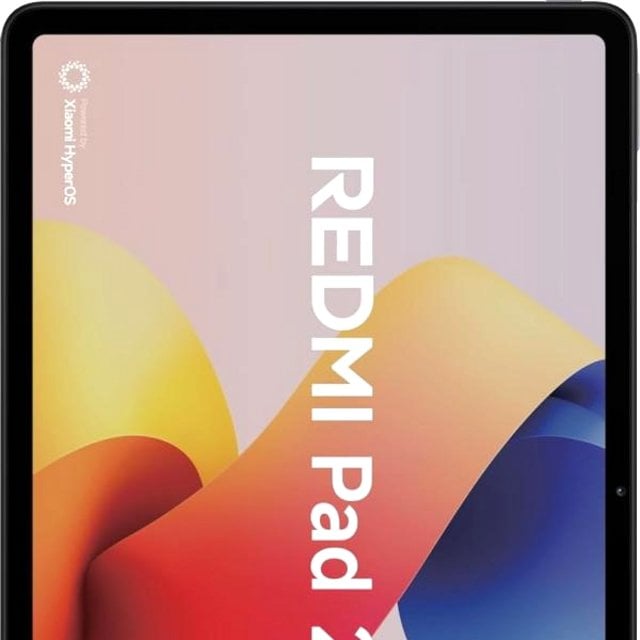
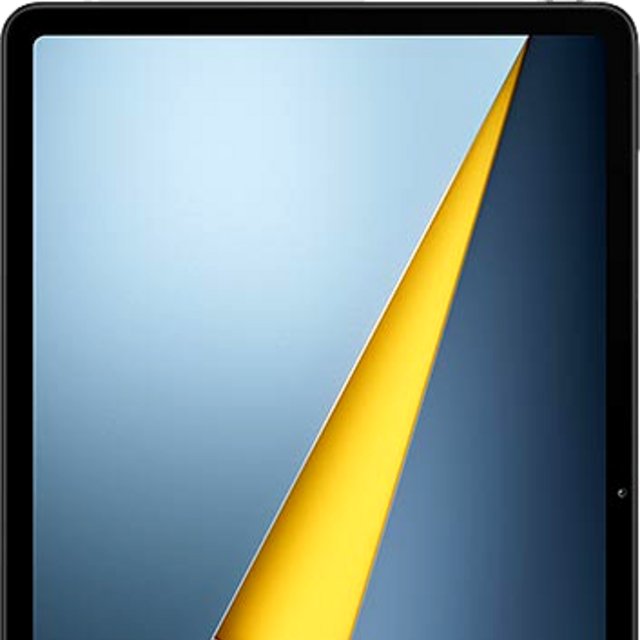
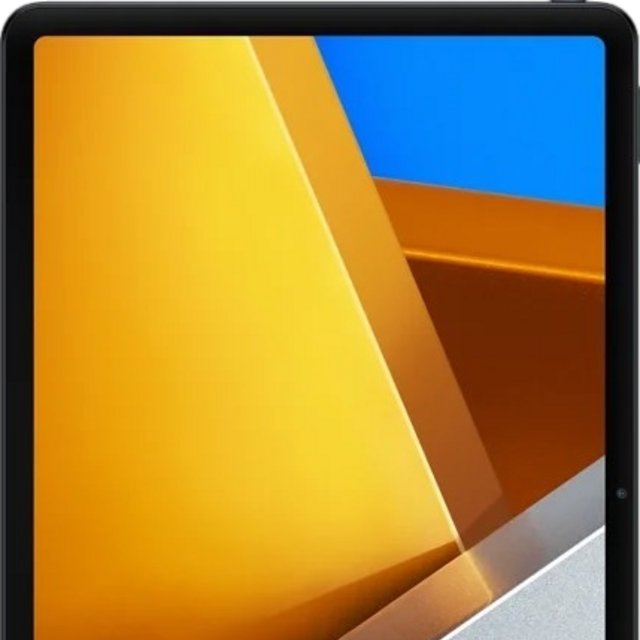
Xiaomi Poco Pad features Qualcomm Snapdragon 7s Gen 2 processor, 8GB RAM with 256GB storage, 12.1" display, 10000 mAh battery, 8 MP main camera.

1" screen, while is 38g lighter. Against the Pad 7S Pro 12.5, has 8GB RAM compared to Pad 7S Pro 12.5's 16GB, and offers 256GB storage compared to 1024GB, and has 10,000mAh battery compared to Pad 7S Pro 12.5's 10,610mAh, and has a more compact 12.1" screen. Compared to the Pad 7, the Poco Pad has 8GB RAM compared to Pad 7's 12GB, while packs a larger 10,000mAh battery (+1,150mAh). The Pad 6S Pro 12.4 has 8GB RAM compared to Pad 6S Pro 12.4's 16GB, and the Pad 8 Pro has 8GB RAM compared to Pad 8 Pro's 16GB.

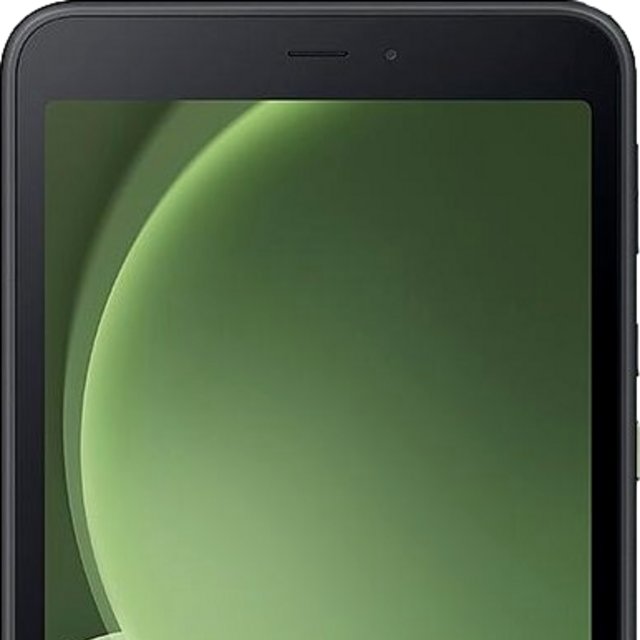
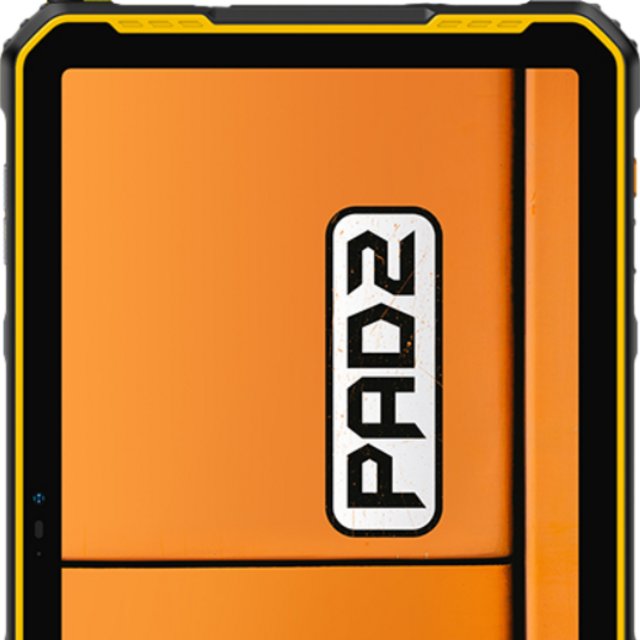
When compared to competing devices, the Poco Pad features a larger 12.1" display versus 10.1", while is 112g lighter. Against the iPad Air (2022) from Apple, the Poco Pad packs a larger 10,000mAh battery (+2,400mAh). Versus the Ulefone Armor Pad 2, the Poco Pad has 10,000mAh battery compared to Ulefone Armor Pad 2's 18,600mAh, and features a larger 12.1" display versus 11". When matched against the Ulefone Armor Pad 4 Ultra from the manufacturer, it has 10,000mAh battery compared to Ulefone Armor Pad 4 Ultra's 11,800mAh, while the Tab Active 5 comparison shows it packs a larger 10,000mAh battery (+4,950mAh).

Design

Weight i 571 g (2 others)
Thickness i 7.5 mm (33 others)
Width i 280 mm (4 others)
Height i 181.9 mm (5 others)
Volume i 381.99 cm³ (4 others)
Stylus Included i
Has A Detachable Keyboard i
Has A Backlit Keyboard i
Water resistance i None (432 others)

Display

Screen Size i 12.1" (27 others)
Resolution i 2560 x 1600 px (79 others)
Pixel Density i 249 ppi (17 others)
Display Type i LCD, IPS (206 others)
Refresh Rate i 120Hz (101 others)
Has branded damage resistant glass i (143 others)
Supports hdr10 i

Performance

Internal Storage i 256GB (164 others)
RAM i 8GB (175 others)
Chipset (soc) name i Qualcomm Snapdragon 7s Gen 2 (3 others)
Gpu name i Adreno 710 (8 others)
CPU Speed i 4 x 2.4 GHz & 4 x 1.95 GHz (Qualcomm Snapdragon 7s Gen 2) (4 others)
Geekbench 6 Result (multi) i 2970 (Qualcomm Snapdragon 7s Gen 2) (4 others)
Geekbench 6 Result (single) i 1015 (Qualcomm Snapdragon 7s Gen 2) (4 others)
Has an external memory slot i (573 others)
Semiconductor size i 4 nm (Qualcomm Snapdragon 7s Gen 2) (3 others)

Cameras

Megapixels (main camera) i 8 MP (227 others)
Megapixels (front camera) i 8MP (184 others)
Video recording (main camera) i 1080 x 30 fps (339 others)
Has a flash i (437 others)
Has a front camera i (762 others)
Has a built in hdr mode i (601 others)
Can create panoramas in camera i
Supports slow motion video recording i
Has touch autofocus i (547 others)

Audio

Has aptx i
Has aptx hd i
Has ldac i
Has aptx low latency i
Has aptx adaptive i
Has aptx lossless i
Has stereo speakers i (621 others)
Has a socket for a 3.5 mm audio jack i

Battery

Battery Power i 10000 mAh (21 others)
Supports Fast Charging i (386 others)
Has wireless charging i
Has a battery level indicator i (770 others)
Has a rechargeable battery i (772 others)
Has a removable battery i

Connectivity & Features

Release date i 1 year ago05/23/2024
Wi fi version i Wi-Fi 4 (802.11n), Wi-Fi 5 (802.11ac), Wi-Fi 6 (802.11ax) (60 others)
Charging speed i 33W (8 others)
Has mail privacy protection i
Has on device machine learning i (413 others)
Has clipboard warnings i (331 others)
Has location privacy options i (331 others)
Has camera/microphone privacy options i (347 others)
Can block app tracking i (119 others)

Similar products

Frequently Asked Questions

What is the semiconductor size of the Xiaomi Poco Pad?
At 4 nm (Qualcomm Snapdragon 7s Gen 2), the Xiaomi Poco Pad is 72% below the category average for semiconductor size, ranking #536 out of 667 — see ranking tablet products.
How many megapixels does the Xiaomi Poco Pad main camera have?
At 8 MP, the Xiaomi Poco Pad is 31% below the category average for main camera megapixels, ranking #324 out of 748 — see ranking tablet products.
How much RAM does the Xiaomi Poco Pad have?
At 8GB, the Xiaomi Poco Pad is 30% above the category average for RAM, ranking #143 out of 774 — see ranking tablet products.
How big is the Xiaomi Poco Pad battery?
At 10000 mAh, the Xiaomi Poco Pad is 28% above the category average for battery capacity, ranking #124 out of 728 — see ranking tablet products.
How fast does the Xiaomi Poco Pad charge?
At 33W, the Xiaomi Poco Pad is 22% below the category average for charging speed, ranking #36 out of 56 — see ranking tablet products.
How many megapixels does the Xiaomi Poco Pad front camera have?
At 8MP, the Xiaomi Poco Pad is 21% above the category average for front camera megapixels, ranking #129 out of 744 — see ranking tablet products.
How big is the Xiaomi Poco Pad screen?
At 12.1", the Xiaomi Poco Pad is 17% above the category average for screen size, ranking #110 out of 774 — see ranking tablet products.
What is the multi-core Geekbench 6 score of the Xiaomi Poco Pad?
At 2970 (Qualcomm Snapdragon 7s Gen 2), the Xiaomi Poco Pad is 16% below the category average for multi-core Geekbench 6 score, ranking #124 out of 316 — see ranking tablet products.
How much storage does the Xiaomi Poco Pad offer?
At 256GB, the Xiaomi Poco Pad is 15% above the category average for storage, ranking #123 out of 769 — see ranking tablet products.
What is the single-core Geekbench 6 score of the Xiaomi Poco Pad?
At 1015 (Qualcomm Snapdragon 7s Gen 2), the Xiaomi Poco Pad is 13% below the category average for single-core Geekbench 6 score, ranking #131 out of 332 — see ranking tablet products.
How heavy is the Xiaomi Poco Pad?
At 571 g, the Xiaomi Poco Pad is 13% above the category average for weight, ranking #532 out of 774 — see ranking tablet products.
What is the refresh rate of the Xiaomi Poco Pad?
At 120Hz, the Xiaomi Poco Pad is 12% above the category average for refresh rate, ranking #75 out of 306 — see ranking tablet products.
Does the Xiaomi Poco Pad have a 3.5mm headphone jack?
Yes, the Xiaomi Poco Pad has a 3.5mm headphone jack. This feature is found in 65% of tablets.
Does the Xiaomi Poco Pad support fast charging?
Yes, the Xiaomi Poco Pad supports fast charging. This feature is found in 77% of tablets.
Does the Xiaomi Poco Pad have an external memory slot?
Yes, the Xiaomi Poco Pad has an external memory slot. This feature is found in 79% of tablets.

How does it compare?

How does the Xiaomi Poco Pad's weight compare to similar tabletss?
At 571 g, the Xiaomi Poco Pad trails the Ulefone Armor Pad 2 (1.02 kg) by 100%.
How does the Xiaomi Poco Pad's main camera megapixels compare to similar tabletss?
At 8 MP, the Xiaomi Poco Pad trails the Ulefone Armor Pad 4 Ultra (50 MP) by 84%.
How does the Xiaomi Poco Pad's front camera megapixels compare to similar tabletss?
At 8MP, the Xiaomi Poco Pad trails the Ulefone Armor Pad 4 Ultra (32MP) by 75%.
How does the Xiaomi Poco Pad's multi-core Geekbench 6 score compare to similar tabletss?
At 2970 (Qualcomm Snapdragon 7s Gen 2), the Xiaomi Poco Pad trails the Apple iPad Air (2022) (8385 (Apple M1)) by 65%.
How does the Xiaomi Poco Pad's single-core Geekbench 6 score compare to similar tabletss?
At 1015 (Qualcomm Snapdragon 7s Gen 2), the Xiaomi Poco Pad trails the Apple iPad Air (2022) (2348 (Apple M1)) by 57%.
How does the Xiaomi Poco Pad's refresh rate compare to similar tabletss?
At 120Hz, the Xiaomi Poco Pad leads the Apple iPad Air (2022) (60Hz) by 50%.
How does the Xiaomi Poco Pad's battery capacity compare to similar tabletss?
At 10000 mAh, the Xiaomi Poco Pad leads the Samsung Galaxy Tab Active 5 (5050 mAh) by 50%.
How does the Xiaomi Poco Pad's screen size compare to similar tabletss?
At 12.1", the Xiaomi Poco Pad leads the Samsung Galaxy Tab Active 5 (8") by 34%.
How does the Xiaomi Poco Pad's semiconductor size compare to similar tabletss?
At 4 nm (Qualcomm Snapdragon 7s Gen 2), the Xiaomi Poco Pad trails the Ulefone Armor Pad 2 (6 nm (Mediatek Helio G99)) by 33%.
How does the Xiaomi Poco Pad's pixel density compare to similar tabletss?
At 249 ppi, the Xiaomi Poco Pad leads the Ulefone Armor Pad 2 (212 ppi) by 15%.
Compare