
Weight
550 g
Sound quality
| Connection i | XLR (26 others) |
| Lowest mic frequency i | 50 Hz (31 others) |
| Highest mic frequency i | 16000 Hz (15 others) |
Headphone output
| Has a socket for a 3.5 mm audio jack i | ✖ |
| Impedance i | 252 Ohms |
| Has A Connector For A 6.35 Mm Audio Jack i | ✖ |
Design
| Shock mount included i | ✔ (106 others) |
| Pop filter included i | ✔ (112 others) |
| Control panel placed on a device i | ✖ |
| Has led sound level indicator i | ✖ |
| Has rgb lighting i | ✖ |
| Has an integrated touchpad i | ✖ |
| Volume i | 676.6 cm³ |
| Weight i | 550 g (2 others) |
Similar products
Frequently Asked Questions
What is the lowest mic frequency of the Shure MV7X?
At 50 Hz, the Shure MV7X is 50% above the category average for lowest mic frequency, ranking #17 out of 165 — see ranking microphone products.
How heavy is the Shure MV7X?
At 550 g, the Shure MV7X is 45% above the category average for weight, ranking #127 out of 170 — see ranking microphone products.
What is the impedance of the Shure MV7X?
At 252 Ohms, the Shure MV7X is 18% below the category average for impedance, ranking #20 out of 79 — see ranking microphone products.
What is the highest mic frequency of the Shure MV7X?
At 16000 Hz, the Shure MV7X is 14% below the category average for highest mic frequency, ranking #131 out of 165 — see ranking microphone products.
Does the Shure MV7X have a 3.5mm headphone jack?
No, the Shure MV7X does not have a 3.5mm headphone jack. This feature is available in 51% of microphones.
How does it compare?
How does the Shure MV7X's impedance compare to similar microphoness?
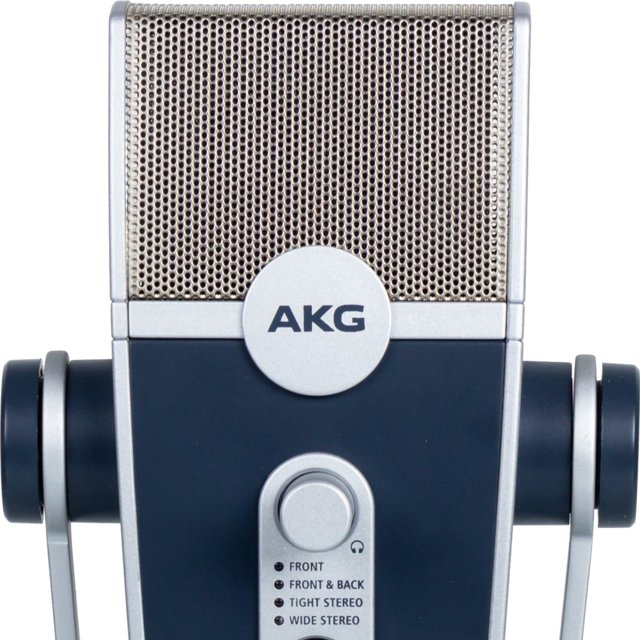
At 252 Ohms, the Shure MV7X leads the AKG Lyra (16 Ohms) by 94%.
How does the Shure MV7X's lowest mic frequency compare to similar microphoness?
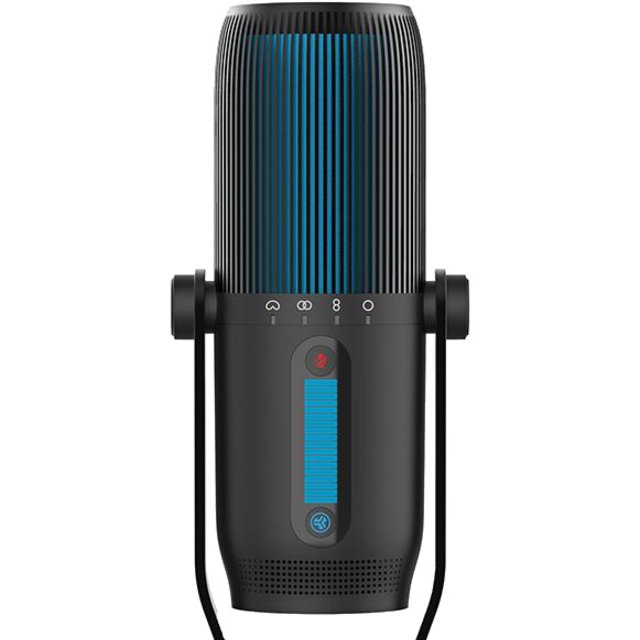
At 50 Hz, the Shure MV7X leads the JLab Audio Talk Pro (20 Hz) by 60%.
How does the Shure MV7X's weight compare to similar microphoness?
At 550 g, the Shure MV7X trails the JLab Audio Talk Pro (266.5 g) by 52%.
How does the Shure MV7X's highest mic frequency compare to similar microphoness?
At 16000 Hz, the Shure MV7X trails the JLab Audio Talk Pro (20000 Hz) by 20%.