
Koss QZ900 features Unknown. Help us by suggesting a value. battery.
Design
| Fit i | Over-ear (482 others) |
| Weight i | 218 g (1 other) |
| Has a detachable cable i | ✔ (468 others) |
| Can be folded i | ✔ (370 others) |
| Travel bag is included i | ✔ (353 others) |
Sound quality
| Has active noise cancellation (anc) i | ✔ (332 others) |
| Lowest frequency i | 20 Hz (287 others) |
| Highest frequency i | 20000 Hz (256 others) |
| Impedance i | 32 Ohms (191 others) |
| Sound pressure level i | 100 dB/mW (44 others) |
| Has passive noise reduction i | ✔ (420 others) |
Power
Connectivity
| Connectivity i | Wired (175 others) |
Miscellaneous
| Has a 3.5mm male connector i | ✔ |
Similar products





Frequently Asked Questions
What is the impedance of the Koss QZ900?
At 32 Ohms, the Koss QZ900 is 42% below the category average for impedance, ranking #145 out of 453 — see ranking headphone products.
What is the lowest frequency of the Koss QZ900?
At 20 Hz, the Koss QZ900 is 31% above the category average for lowest frequency, ranking #12 out of 559 — see ranking headphone products.
What is the highest frequency of the Koss QZ900?
At 20000 Hz, the Koss QZ900 is 30% below the category average for highest frequency, ranking #298 out of 561 — see ranking headphone products.
Is the Koss QZ900 lightweight?
Yes. At 218 g, the Koss QZ900 is 12% below the category average for weight, ranking #167 out of 545 — see ranking headphone products.
How does it compare?
How does the Koss QZ900's lowest frequency compare to similar headphoness?
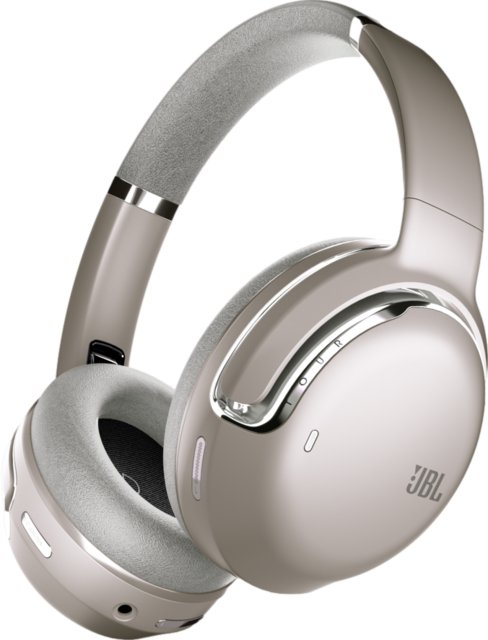
At 20 Hz, the Koss QZ900 leads the JBL Tour One M2 (10 Hz) by 50%.
How does the Koss QZ900's highest frequency compare to similar headphoness?
At 20000 Hz, the Koss QZ900 trails the JBL Tour One M2 (40000 Hz) by 50%.
How does the Koss QZ900's weight compare to similar headphoness?
At 218 g, the Koss QZ900 leads the JLab Epic Lux Lab Edition (300 g) by 27%.
How does the Koss QZ900's sound pressure level compare to similar headphoness?
At 100 dB/mW, the Koss QZ900 trails the JLab Epic Lux Lab Edition (119 dB/mW) by 16%.