
Geography
| Total surface i | 1 285 216 km² |
| Forests i | 53% |
| Agricultural land i | 18.8% |
| Coastline i | 2 414 km |
| Total land area i | 1 279 996 km² |
| Total water area i | 5 220 km² |
| Average temperature i | 19.6 °C |
Demographics
| Population i | 33.1 million |
| Population density i | 23 people/km² (1 other) |
| Annual population growth rate i | 0.94% (1 other) |
| Overall life expectancy at birth i | 74.2 years (2 others) |
| Life expectancy at birth for females i | 76.4 years (2 others) |
| Life expectancy at birth for males i | 72.1 years (2 others) |
| Death rate i | 6.1/1000 (2 others) |
Economy
| Gdp per capita i | $14 252.00 |
| Real gdp growth rate i | 2.5% (4 others) |
| Gini index i | 43.8 |
| Index of economic freedom i | 66.5 (1 other) |
| Public debt i | 25.4% of GDP |
| Inflation rate i | 8.3% (5 others) |
| Population below the poverty line i | 22.7% |
| Unemployment rate i | 6.9% (1 other) |
| Education expenditures i | 3.9% of GDP (4 others) |
Quality of living
| World happiness report i | 5.5 (2 others) |
| Corruption perceptions index (cpi) i | 36 (6 others) |
| Hospital beds per 1,000 inhabitants i | 1.6 (4 others) |
| Level of air pollution (air quality index) i | 23.5 (1 other) |
| Adult literacy rate i | 94.5% (1 other) |
| Adult obesity rate i | 19.7% (2 others) |
| Population with access to improved water sources i | 86.7% |
| Physicians per 1,000 people i | 1.27/1000 (1 other) |
Infrastructure
| Percentage of internet users i | 71% (2 others) |
| Electrification rate i | 95% |
| Railway network i | 1 854 km |
| Number of airports i | 191 |
| Roadways i | 140 672 km |
| Inland waterways i | 8 808 km |
Similar products






Frequently Asked Questions
What is the total surface of the Peru?
At 1 285 216 km², the Peru is 99% below the category average for total surface, ranking #128 out of 141 — see ranking country products.
What is the total land area of the Peru?
At 1 279 996 km², the Peru is 99% below the category average for total land area, ranking #127 out of 138 — see ranking country products.
What is the railway network of the Peru?
At 1 854 km, the Peru is 99% below the category average for railway network, ranking #85 out of 95 — see ranking country products.
What is the coastline of the Peru?
At 2 414 km, the Peru is 99% below the category average for coastline, ranking #84 out of 110 — see ranking country products.
What is the total water area of the Peru?
At 5 220 km², the Peru is 97% below the category average for total water area, ranking #69 out of 100 — see ranking country products.
What is the inland waterways of the Peru?
At 8 808 km, the Peru is 96% below the category average for inland waterways, ranking #40 out of 77 — see ranking country products.
What is the population density of the Peru?
At 23 people/km², the Peru is 90% below the category average for population density, ranking #113 out of 141 — see ranking country products.
What is the forests of the Peru?
At 53%, the Peru is 64% above the category average for forests, ranking #26 out of 133 — see ranking country products.
What is the public debt of the Peru?
At 25.4% of GDP, the Peru is 57% below the category average for public debt, ranking #120 out of 138 — see ranking country products.
What is the hospital beds per 1,000 inhabitants of the Peru?
At 1.6, the Peru is 56% below the category average for hospital beds per 1,000 inhabitants, ranking #105 out of 131 — see ranking country products.
What is the agricultural land of the Peru?
At 18.8%, the Peru is 51% below the category average for agricultural land, ranking #104 out of 140 — see ranking country products.
How many airports does the Peru have?
At 191, the Peru is 35% below the category average for number of airports, ranking #21 out of 136 — see ranking country products.
How does it compare?
How does the Peru's total surface compare to similar countriess?
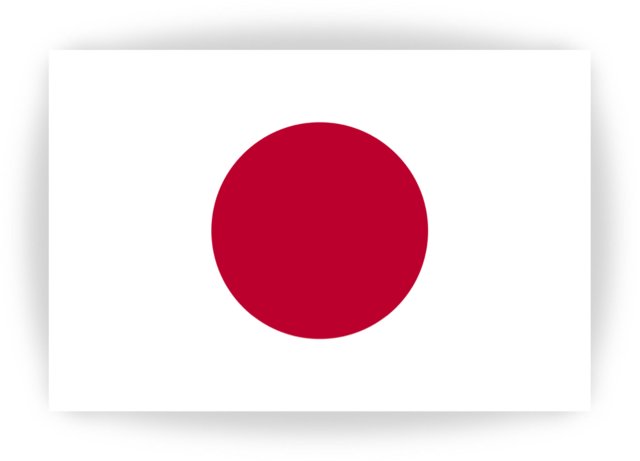
At 1 285 216 km², the Peru trails the Japan (377 915 km²) by 100%.
How does the Peru's total land area compare to similar countriess?
At 1 279 996 km², the Peru trails the Japan (364 485 km²) by 100%.
How does the Peru's coastline compare to similar countriess?
At 2 414 km, the Peru trails the Qatar (563 km) by 100%.
How does the Peru's railway network compare to similar countriess?
At 1 854 km, the Peru trails the Grand Duchy of Luxembourg (275 km) by 100%.
How does the Peru's roadways compare to similar countriess?
At 140 672 km, the Peru leads the Japan (1 218 772 km) by 99%.
How does the Peru's number of airports compare to similar countriess?
At 191, the Peru leads the Grand Duchy of Luxembourg (2) by 99%.
How does the Peru's population compare to similar countriess?
At 33.1 million, the Peru leads the Grand Duchy of Luxembourg (0.61 million) by 98%.
How does the Peru's population below the poverty line compare to similar countriess?
At 22.7%, the Peru leads the Japan (1.4%) by 94%.
How does the Peru's population density compare to similar countriess?
At 23 people/km², the Peru trails the Japan (334 people/km²) by 93%.
How does the Peru's public debt compare to similar countriess?
At 25.4% of GDP, the Peru trails the Japan (237.6% of GDP) by 89%.
How does the Peru's hospital beds per 1,000 inhabitants compare to similar countriess?
At 1.6, the Peru trails the Japan (13.4) by 88%.
How does the Peru's inland waterways compare to similar countriess?
At 8 808 km, the Peru leads the Switzerland (1 292 km) by 88%.